|
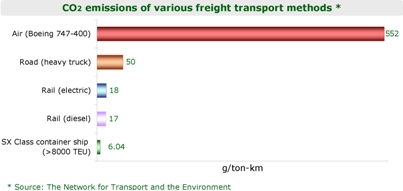
OOCL is fully committed to reducing air emissions from our vessels. In 2001, we voluntarily began a fuel saving program, which is the most effective way to cut down on greenhouse gases (especially CO2). Initiatives include:
In 1992, five years in advance of the Montreal Protocol - an international treaty designed to protect the earth's ozone layer - OOCL chose to change the design of its refrigerated container machinery in order to eliminate the production of CFCs (Chlorofluorocarbons). Today, OOCL only uses CFC-free refrigerants for all of our reefer containers.
OOCL's newest reefer containers also have the lowest power consumption in the industry, and we maintain fuel efficient gensets for operating reefer equipment. All our containers have been applied with tin-free paint on the outside.
 |
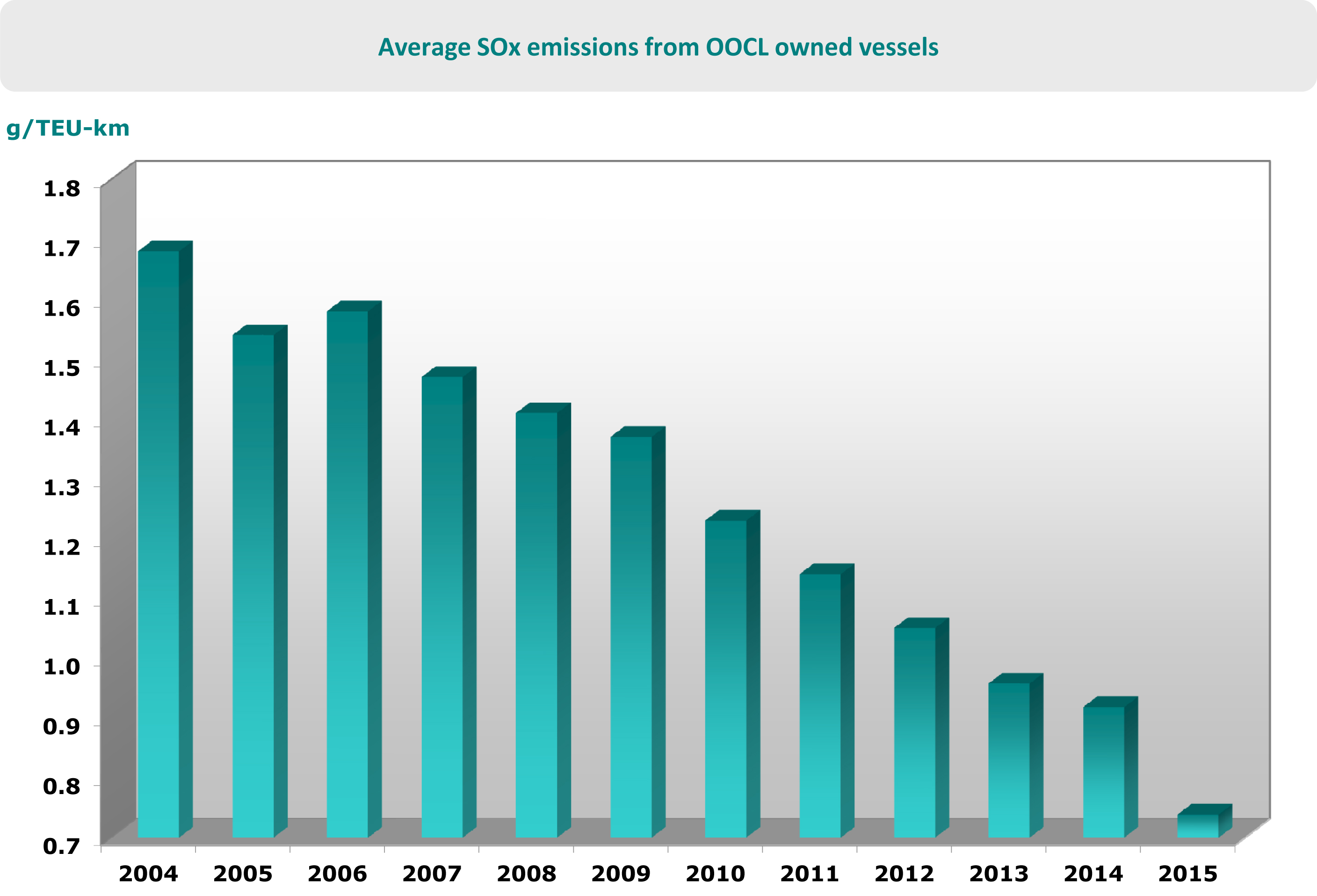
Apart from strictly complying with the Sulphur Emission Control Area (SECA)’s 0.1% sulphur requirements, we ensure the average sulphur content of our fuel is well below the International Maritime Organisation (IMO) prescribed standard of 3.5%. We achieved an average sulphur content of 2.52% in 2014. |
| |
We voluntarily complied eight months early with the Port of Long Beach “Clean Truck Program”. From January 1, 2008, OOCL stopped using pre-1989 trucks for all port moves between Southern Californian terminals and off-dock rail ramps, again helping to reduce emissions. |
| |
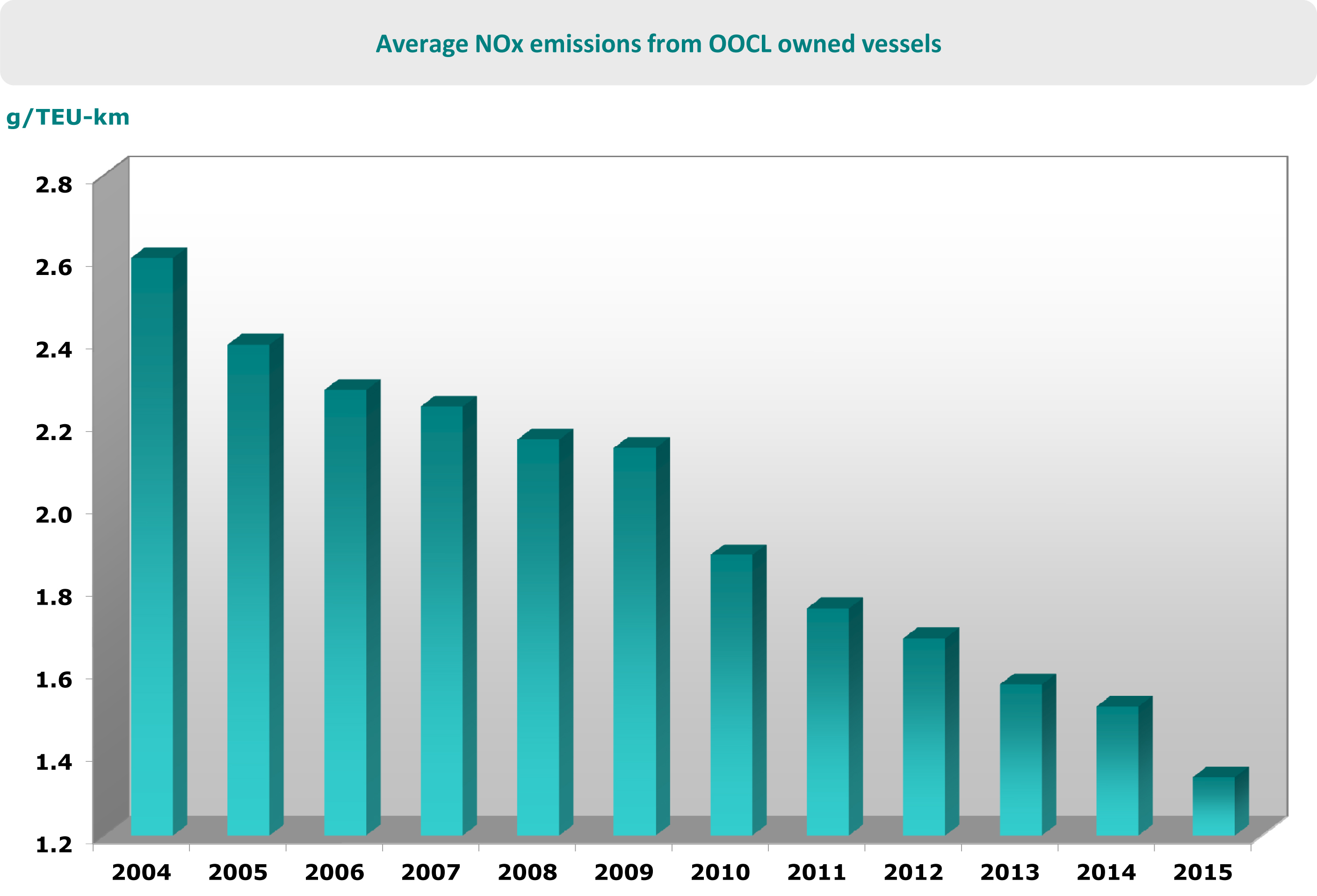
Since 2000, all our vessels have been installed with environmentally-friendly NOx-controlled propulsive engines |
| |
Advanced slide fuel injection valves, reducing NOx by 30%, are being adopted |
|
 |
 |
Since 1994, OOCL-operated Long Beach Container Terminal, LLC. (LBCT LLC), in California, has had an ongoing Fleet (referring to trucks) Modernization Program in place in order to maintain the most efficient, and lowest-emission yard tractors and Terminal Utility Vehicles. From 2006, the terminal voluntarily converted to low emission fuel.
|
 |
As part of the historic lease agreement with the Port of Long Beach (POLB), the POLB Green Port Policy and the San Pedro Bay Ports Clean Air Action Plan, our Long Beach Container Terminal (LBCT LLC) meets numerous environmental requirements and in some areas exceed compliance standards that help improve air quality and reduce emissions in the local community. Such efforts and initiatives include:
• Upgrading to energy efficient lighting.
• Using shore power for ships at berth.
• Operating with cleaner yard equipment.
• Meeting Green Flag Vessel Speed Reduction program requirements.
• Attaining “Green building” (LEED) environmental standards.
• Recycling waste materials such as concrete, steel, copper, and other materials during terminal construction.
• Purchasing Renewable Energy Credits
|
|
|
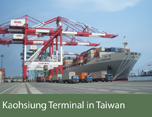
In 2005, our Kaohsiung Terminal in Taiwan (KAOCT) had converted its entire container yard to a ‘green’ enterprise by replacing its straddle carriers operation with electric rail mounted gantry cranes (RMGs) to improve energy and operational efficiencies. Currently, there are a total of 18 electrically powered RMGs in the terminal on a fixed-rail system and these gantry cranes are emission-free, quiet, and provide a much safer working environment at the port. The equipment has not only helped improve energy efficiency but also terminal efficiency as shipside productivity improved by 6.6% from 2005 to 2014 and during this same period, the annual throughput also increased by 80.7%. This has enabled KAOCT to effectively handle more vessels at one time and the higher productivity level helped shorten the vessel berthing period to achieve bunker saving as well as emission reduction. Moreover, KAOCT has also minimised the use of Side-Pickers and utilised electric-powered RMGs to handle empty containers at the terminal to improve energy efficiency. When compared to 2007, the terminal reduced diesel consumption by about 39% last year.
In 2012, over 200 sets of lighting systems in the terminal office were replaced by energy efficient LED technology which has achieved a 59% savings on lighting electricity. |
 |
|
